Curriculum Vitae (CV) Format: Tips & Templates in 2024
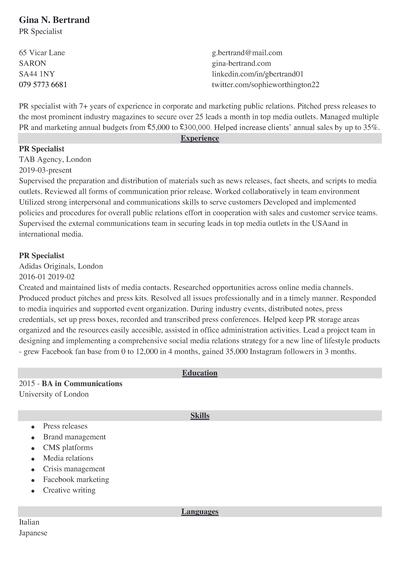
What Is a CV?
A curriculum vitae, also called a CV, is a short, usually one-page document describing your professional qualifications. It shows your work experience, educational background, skills, interests, and other things that might convince the hiring manager you’re the perfect fit for the job.
CV format on the other hand is the structure that you build your CV on. It’s what your document looks like and how you showcase all the important information in it.
Formatting your CV is necessary to properly highlight your experience, skills, accomplishments, and other things that might impress your recruiter. To make it right, your curriculum vitae must be highly readable and optimized for ATS.
That said, let’s see what to include in your CV.
Pro tip: What’s the difference between a CV and a resume? A resume is a one- to two-page document showing the most relevant info about your professional experience, educational background, and skills. A CV (Curriculum Vitae) is longer and details your career's whole course.
CV Format: How to Structure Your CV
A standard curriculum vitae format should include the following sections:
- Contact Information
- Personal Statement
- Professional Experience
- Academic History
- Key Skills and Qualifications
- Additional Information
Let's walk through them step by step:
1. Contact Information
That’s the part you don’t want your recruiter to miss. Your contact information should include the following information:
- Full name
- Professional title
- Email address
- Phone number
- LinkedIn profile
- Home address
Put them in your CV header to make them as visible as possible.
2. Personal Statement
A CV personal statement is a brief (100 words tops) paragraph at the top of your CV format that provides an overview of your qualifications and skills. Fill it with relevant keywords and action words to better explain why you’re the perfect candidate.
- If you have years of relevant experience, write your personal statement as a CV summary, to highlight your best professional achievements.
- If you don’t have much experience yet, go for a CV objective to summarise what skills you’ve mastered so far and how well you’d fit in.
3. Professional Experience
That’s probably the most important part of your CV. And since your recruiter might spend only 7 seconds looking at your document, you have to make it right.
Here’s how to describe your professional experience on a CV:
- Start with your current or most recent job.
- List your previous jobs chronologically descending.
- Include your job title, the company's name, and dates worked at each entry.
- Add up to 5 bullet points explaining your responsibilities and most impressive achievements.
- Quantify whenever possible. Numbers pop!
4. Education Section
If you’ve got any post-secondary education, I recommend you limit the CV education section in your curriculum vitae format to just that. Don’t mention your high school unless it’s your highest education degree.
Format your CV education section the following way:
- Graduation Year (if you’re still studying, enter your expected graduation date)
- Education Degree
- Institution Name
- Cum Laude
Don’t have a wealth of job experience? Place your education section in the CV format above your work history, and mention the coursework you’ve completed and extracurricular academic achievements.
5. Skills Section
The next section should combine your hard skills with your soft skills. Plus, I strongly advise you not to forget about your transferable skills.They are, according to The Future of Jobs Report from 2020, the essential emerging skills.
Here’s how to create a perfect CV skills section:
- Start with a master list of all the professional skills you’ve developed.
- Read the job ad carefully and look for skill-related keywords.
- Add the skills from your list that match the job description to your CV.
- Choose a combination of both your hard and soft skills.
- Don’t just list your skills in a separate skills section, mention them in your CV personal statement and in the work history section.
6. Additional Sections
If you’ve participated in any activities relevant to your career that don’t fit into any of the above sections, list them as extra sections in the CV format.
Some CV examples of such sections include:
- Industry Awards
- Professional Certifications and Licenses
- Professional Affiliations
- Conferences Attended
- Additional Training
- Relevant Publications
- Hobbies and Interests
- Language Skills
- Volunteer Work
Comments
Post a Comment